
June 24, 2026, marked the 150th anniversary of the birth of John Leighton Stuart.
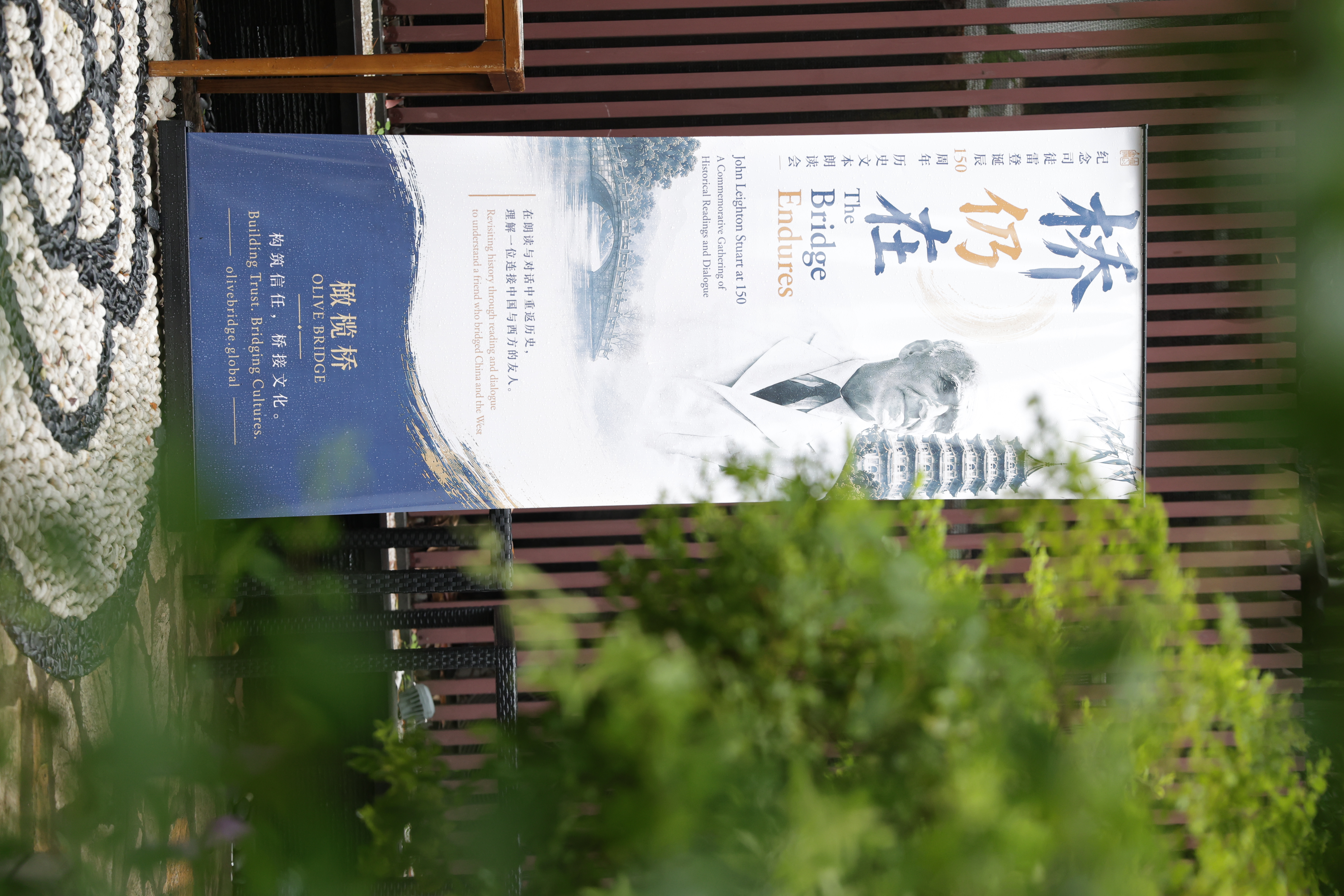
That afternoon, Olive Bridge held “The Bridge Endures—John Leighton Stuart at 150: A Commemorative Gathering of Historical Readings and Dialogue” in Hangzhou.
Centered on historical readings and an expert roundtable, the event returned to the autobiographical writings, diaries, letters, and memoirs left by Stuart and his contemporaries, allowing words long silent on the page to be heard once again.
Giving Voice to the Words of an Era
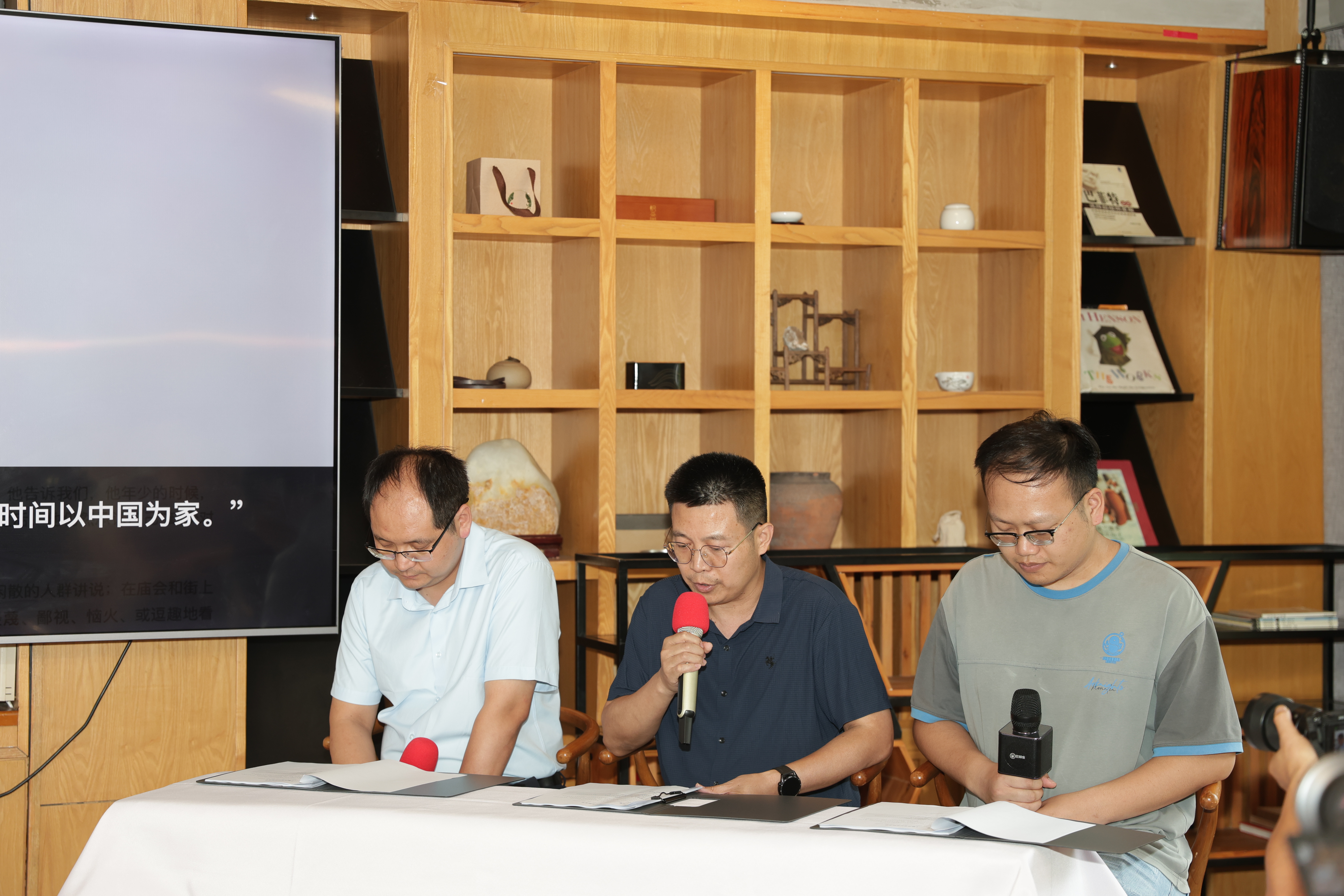
The reading program followed the course of Stuart’s life. The selected texts included not only his own accounts, but also writings and recollections by Liu Tingfang, Hu Shi, Bing Xin, Wen Yiduo, Huang Hua, Fei Xiaotong, and members of the Yenching University community.
The nearly hour-long narrative began with Stuart’s childhood in Hangzhou and followed his return to China, his work in education, and the building of Yenching University. It then moved through war and diplomatic upheaval before concluding with his later years and eventual reinterment in Hangzhou.
Voices from different periods and people in different roles were woven together. A history spanning more than a century ceased to be merely a sequence of dates and events. Instead, it revealed the particular people, relationships, and choices within it.
Readings, Archival Images, and Music Create an Immersive Encounter with History
Historical reading is more than the recitation of written words.
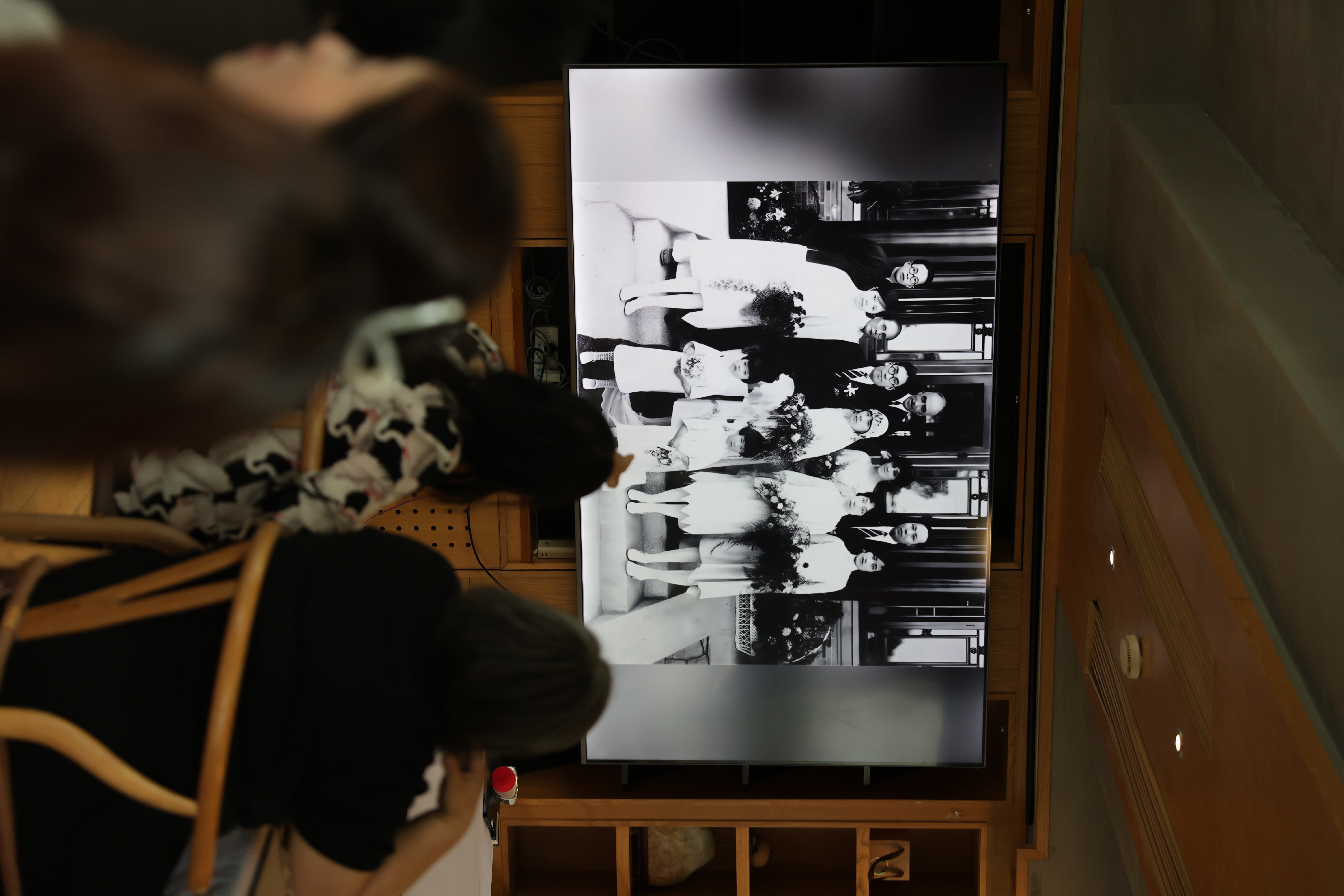
As the readings unfolded, the screen displayed historical images of Hangzhou, Beijing, Nanjing, and the United States from the late nineteenth and early twentieth centuries. The images included city streets, ordinary residents, and scenes of daily life, as well as West Lake, Tianshui Bridge, the Yenching University campus, Weiming Lake, Boya Pagoda, groups of faculty and students, and photographs of Stuart at different stages of his life.
Words, voices, images, and music came together to create a continuous historical setting. The audience did not simply hear an account of Stuart’s life. Through the voices of different historical figures, they accompanied him through its successive stages. Through the archival photographs, they also encountered the cities, campuses, and ordinary people of his time.
After the event, several audience members told us that they had been moved to tears more than once during the readings. What touched them was not a particular conclusion, but details that could finally be heard again: the Hangzhou dialect of Stuart’s childhood, a brief note sent by a university president, the help extended to a student preparing to leave campus, and a final wish that was not fulfilled until nearly half a century later.
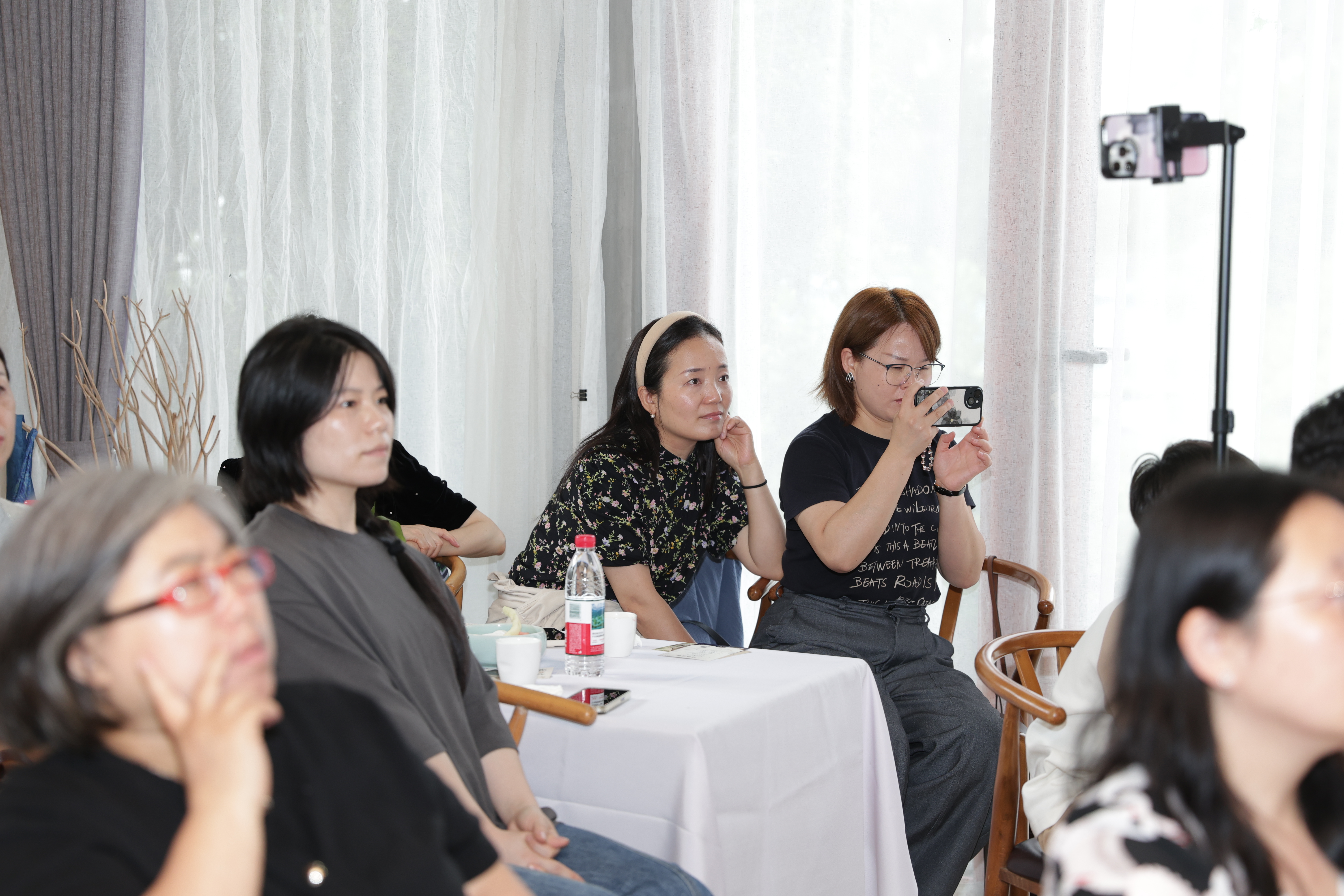
This is one of the distinctive values of historical reading. Rather than having the past summarized entirely by people in the present, written texts, spoken voices, and concrete scenes allow us to approach history—and the people and events within it—with humility.
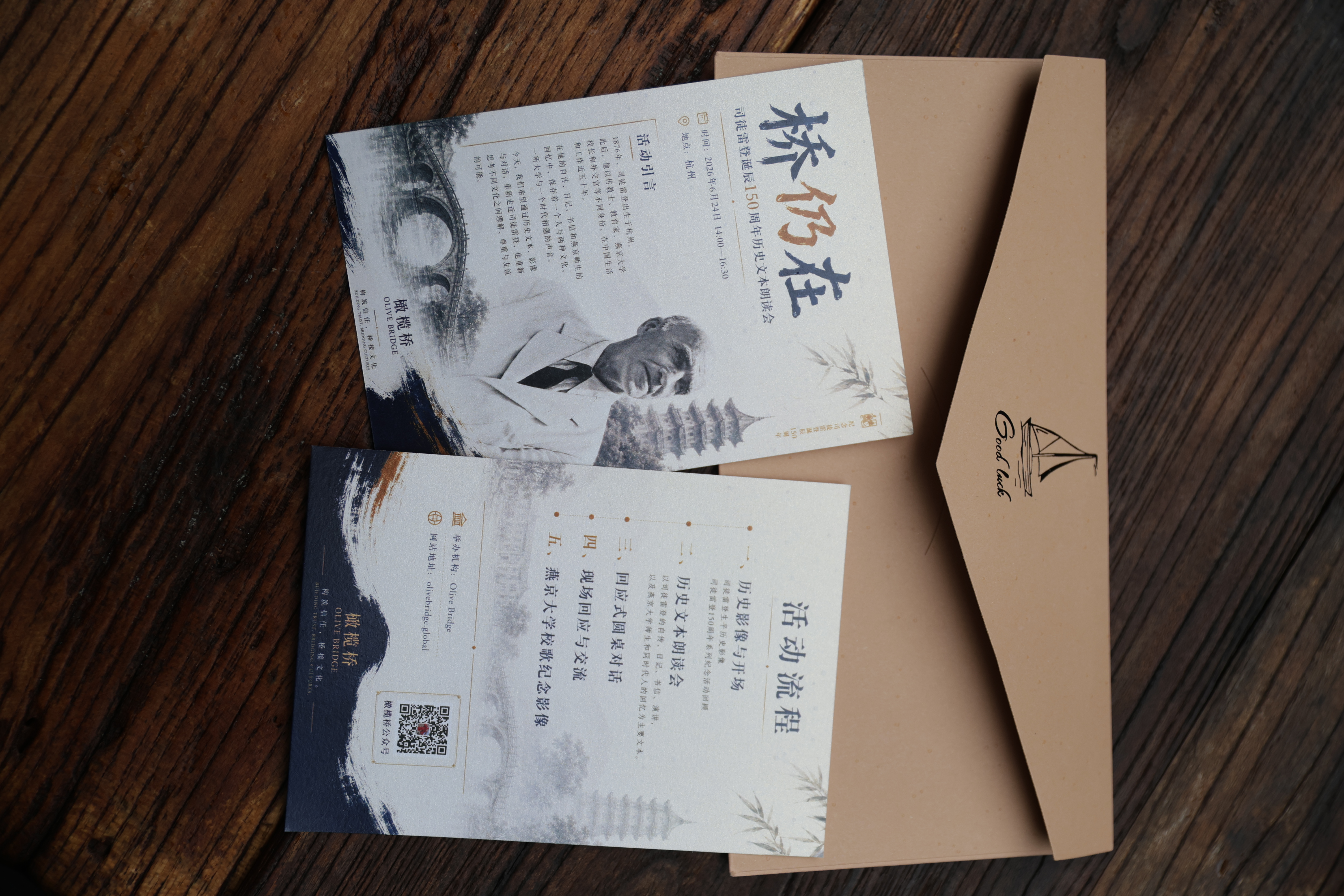
Roundtable Discussion: How Should We Understand the “Bridge” Today?
Following the reading program, Tu Yichao of the Center for American Studies at Fudan University, television host, author, and also a pastor of a city church in Hangzhou, Dongfang Yue, and Ruth Wang, editor-in-chief of a professional Chinese Christian media organization, joined a roundtable discussion centered on the theme “The Bridge Endures.”
Tu, whose research has long focused on religion and international relations as well as American politics, placed Stuart within the broader history of China–U.S. engagement and the development of modern Chinese education.
She observed that Stuart’s life began in China, after which he received his education in the United States. This bicultural experience made him familiar with China while also allowing him to experience the cultural dislocation of entering another society.
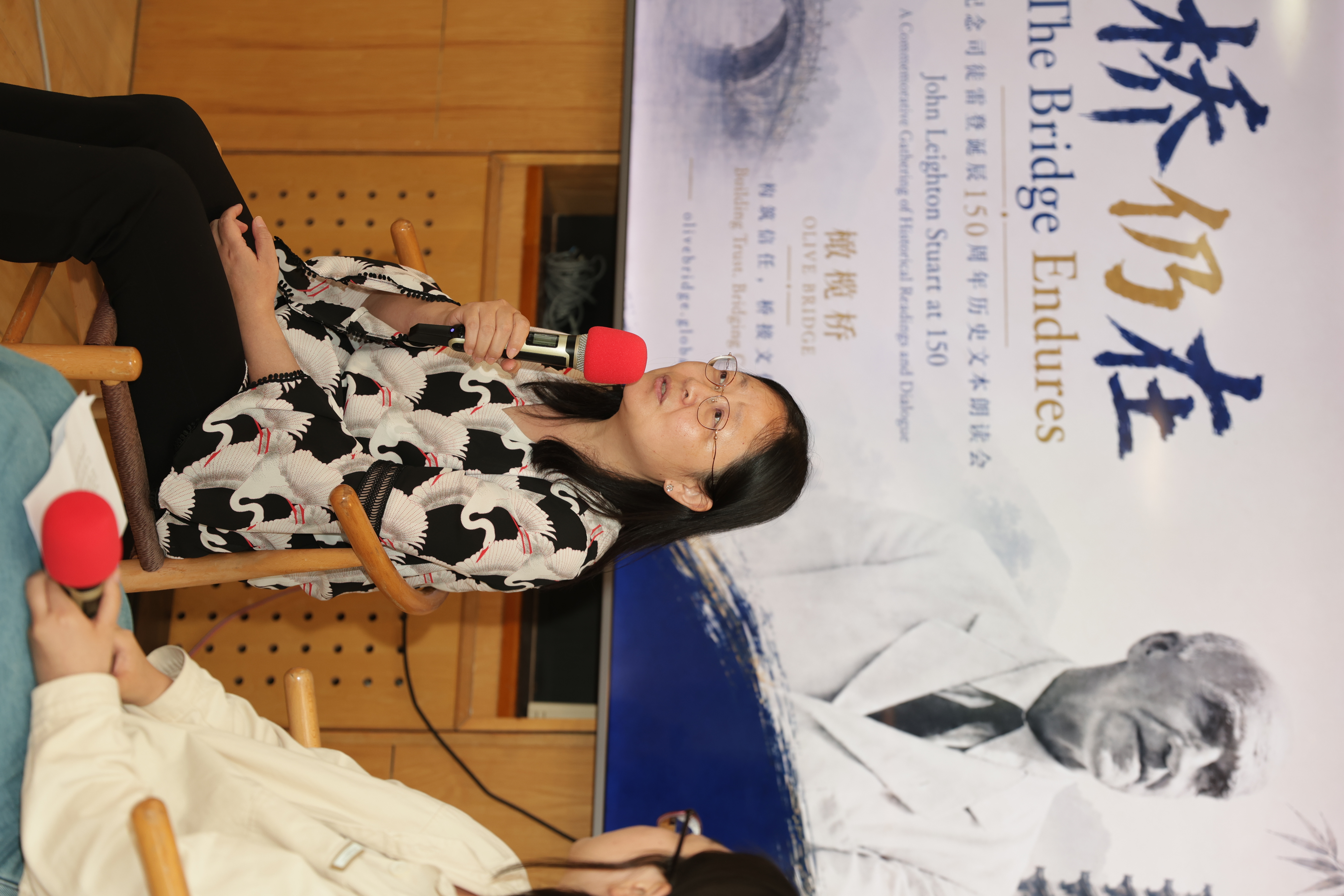
In her view, Stuart’s cross-cultural competence was not an innate gift. It grew out of a lifelong habit of learning, observing, and seeking to understand others. Yenching University was likewise more than a school. It connected Chinese studies, modern education, and international academic networks, becoming an important bridge in the development of modern Chinese education.
Discussing the difficulties of cross-cultural communication today, Tu drew particular attention to algorithms, the oversimplification of information, and labeling. Faster communication does not necessarily produce deeper understanding. People increasingly encounter only information that confirms what they already believe and may mistake a limited picture for the whole of reality. Genuine exchange still requires sustained contact, working together, and patience in the face of difference.
Dongfang Yue approached Stuart’s life primarily through the perspective of personal experience. She noted that people cannot choose where they are born, but they can choose where to place their work and responsibilities. Stuart did not choose to be born in Hangzhou. His decision to return to China as an adult and connect the following decades of his life with the country, however, was a deliberate one.
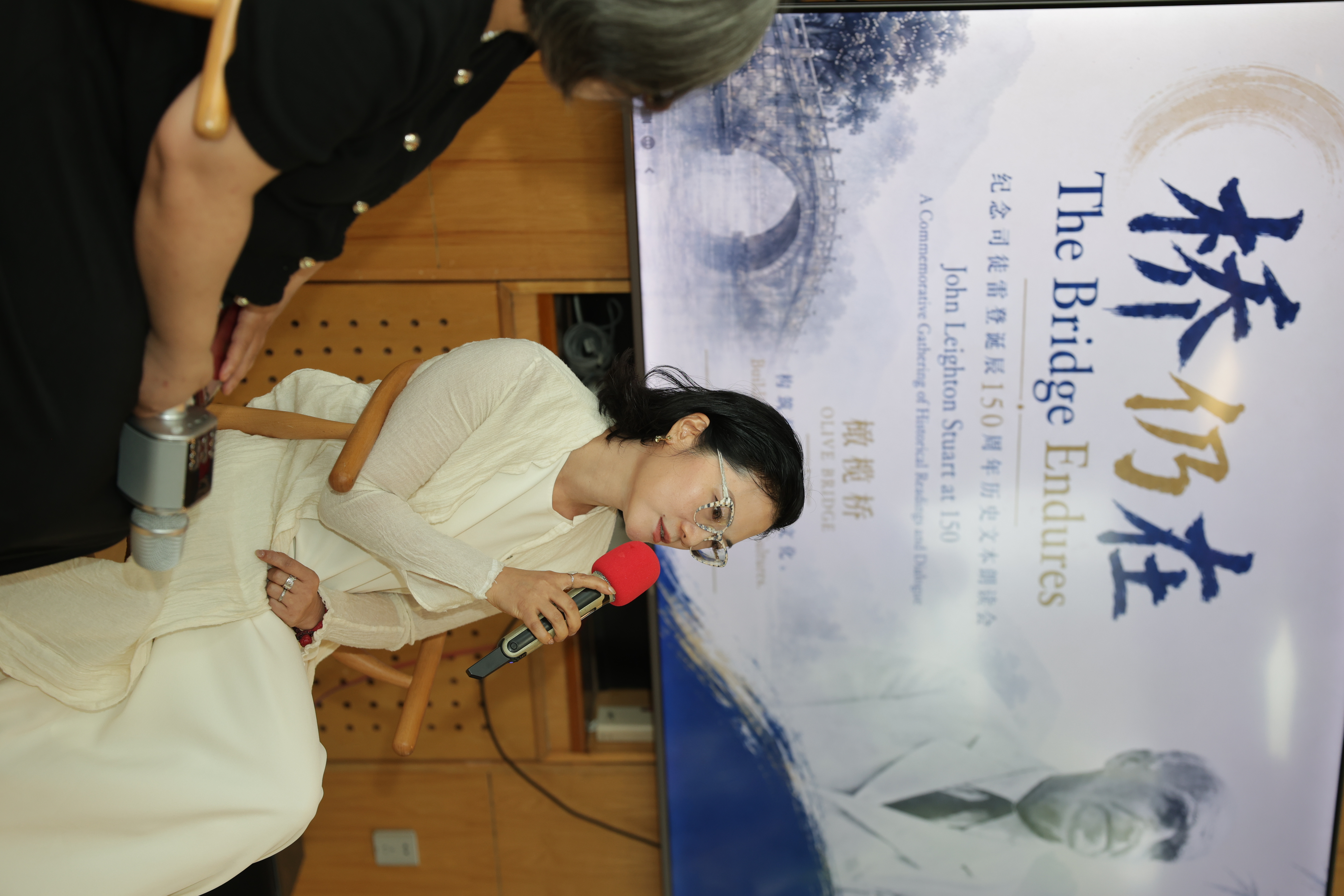
She also emphasized the power of language. Learning a language is not merely a matter of mastering vocabulary and grammar; it also means entering another people’s way of thinking and emotional world. The earliest language Stuart spoke was the Hangzhou dialect. After returning to China, he learned Chinese again. These linguistic experiences gave his relationship with Chinese society a foundation in everyday life rather than leaving him as an outside observer.
Ruth viewed Yenching University as the fullest expression of Stuart’s personal convictions and educational ideals. People of different backgrounds and intellectual positions studied, conducted research, and lived together on the same campus. This did not mean that they had no disagreements. Instead, it demonstrated that disagreement does not inevitably bring cooperation or relationships to an end.
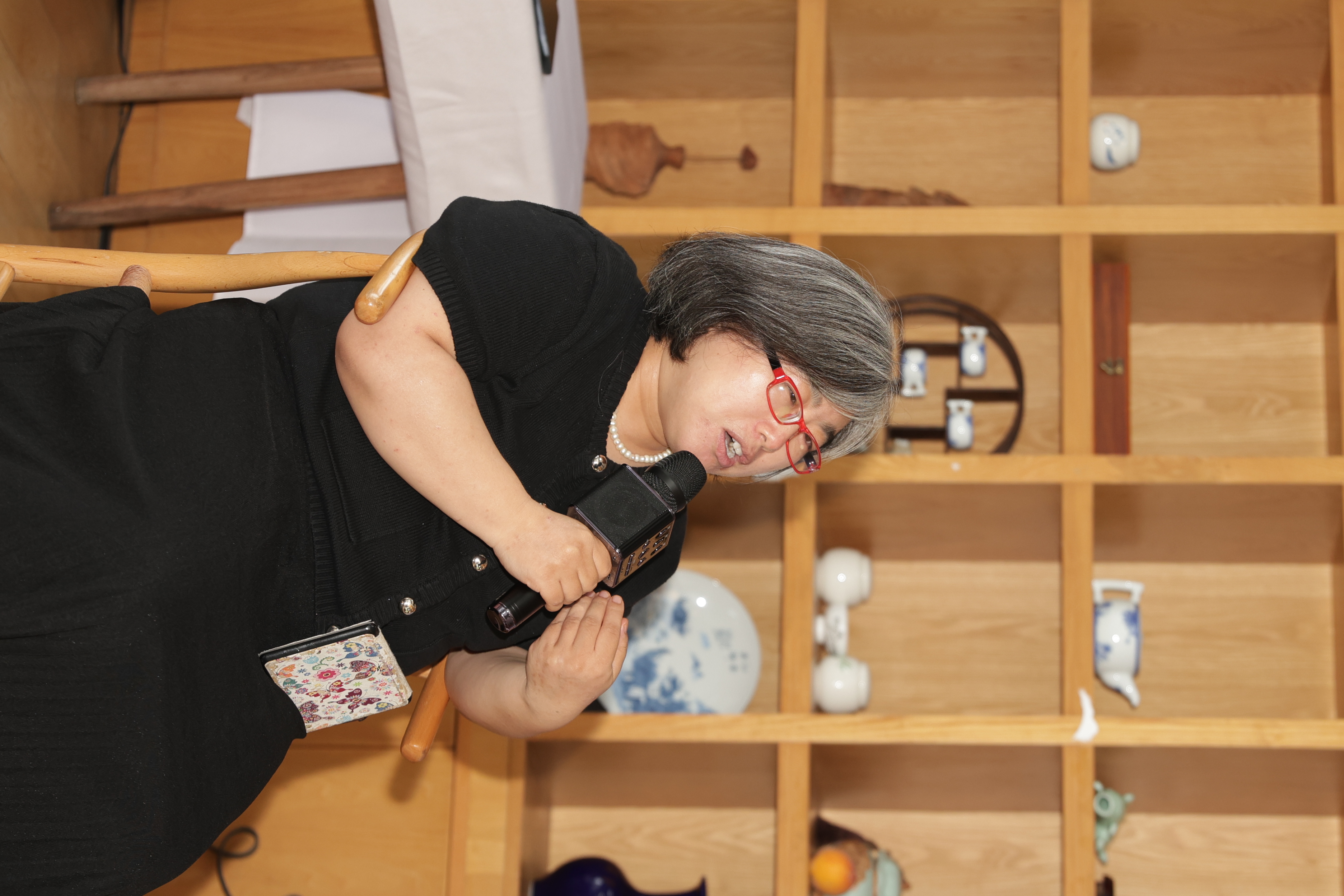
She also noted that being a bridge is not a position that brings only recognition and praise; it also carries a cost. A bridge attempts to understand different sides and may consequently find itself fully accepted by neither. Looking back at history, people already know how events unfolded and may therefore assume that those involved could have made better choices. Those who were actually living through those events, however, did not know what would happen next.
Regarding people-to-people exchange today, Ruth argued that effective cross-cultural engagement rarely begins with grand slogans. It begins with a meeting, a shared meal, a conversation, or a task undertaken together. Trust does not arise automatically from an increase in information. It must be built gradually between particular people.
The three speakers approached the subject from different perspectives, but their reflections pointed toward a shared conclusion: understanding does not mean eliminating differences or requiring others to agree completely with us. It begins by recognizing that others possess their own histories, circumstances, and experiences—and by remaining in relationship on that basis.
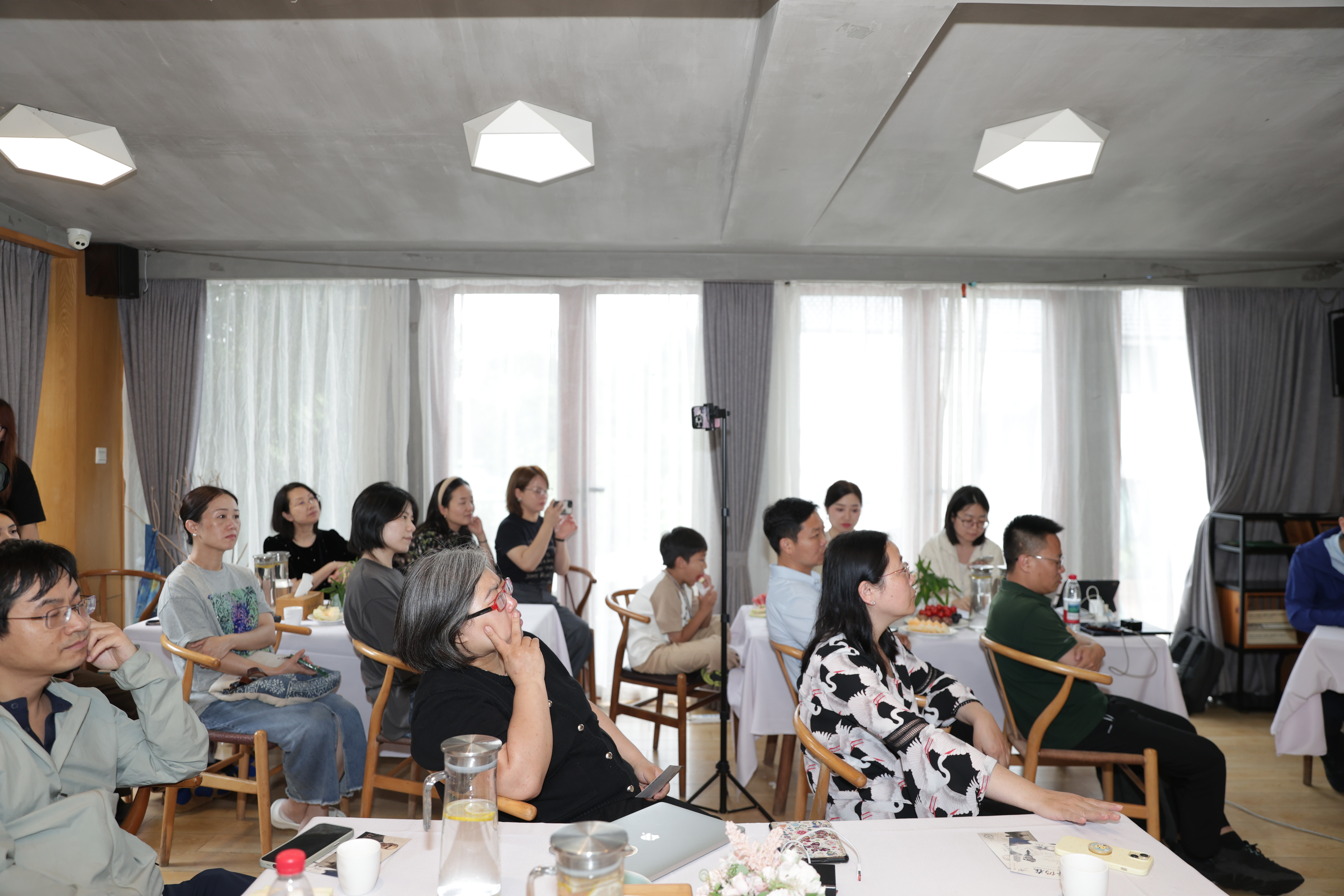
From Roundtable Discussion to Audience Responses
After the roundtable, the audience was invited to respond.
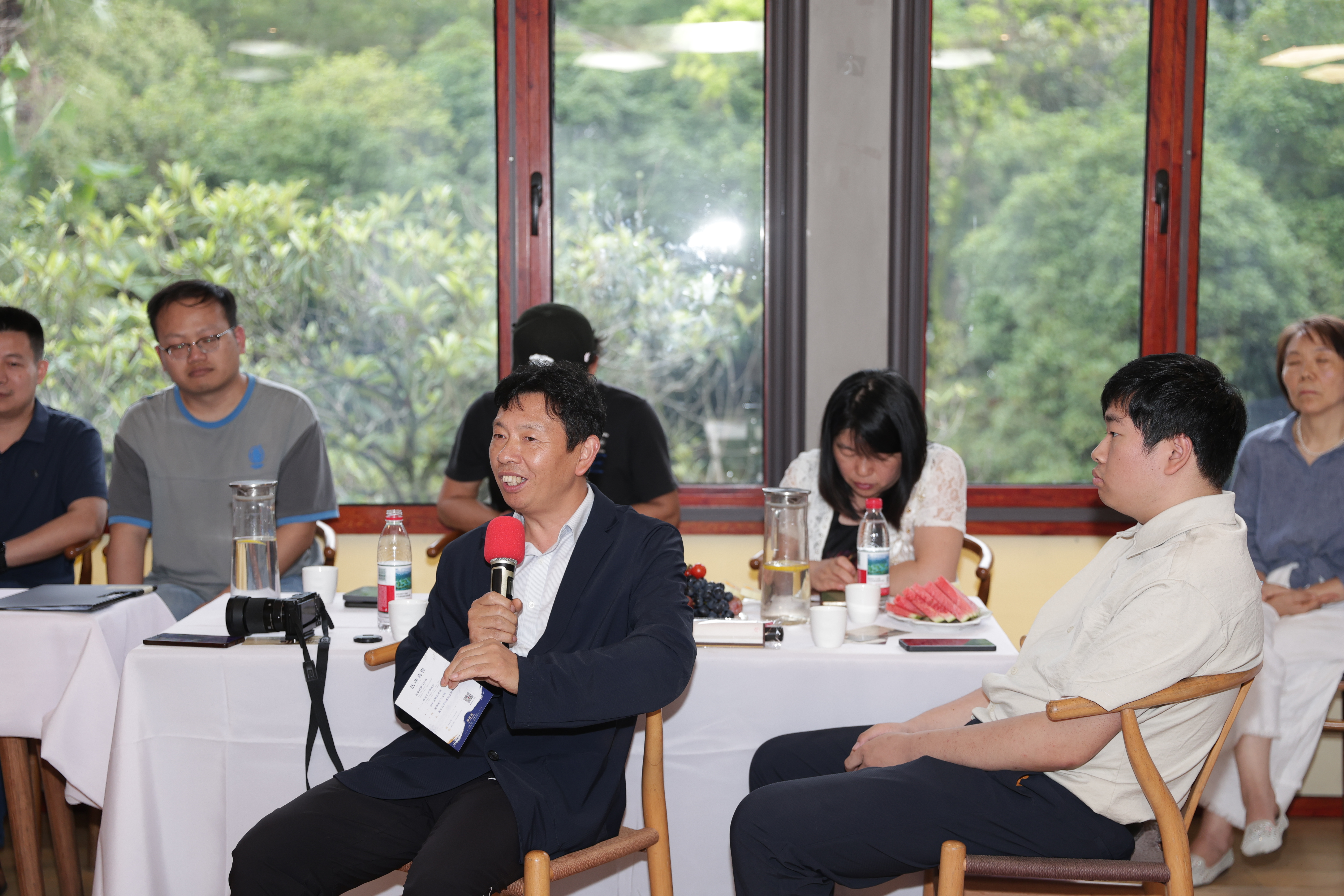
Rev. Si Duoyong spoke about first encountering manuscripts related to Stuart more than 20 years ago and taking part in proofreading some of the materials. In the year of Stuart’s 150th anniversary, he returned to those sources and became involved in supplementing an unfinished manuscript.
Revisiting the materials after more than two decades led him to pay closer attention to the complexity of Stuart’s historical circumstances. It also prompted him to reconsider how individuals make choices and assume responsibility within their own times.
Another attendee, Chu Xiaoqing, responded to both the readings and the roundtable discussion. For many of those present, the gathering was not only an opportunity to become reacquainted with a historical figure. It also created space for them to reflect on how they respond to cultures, positions, and perspectives different from their own.
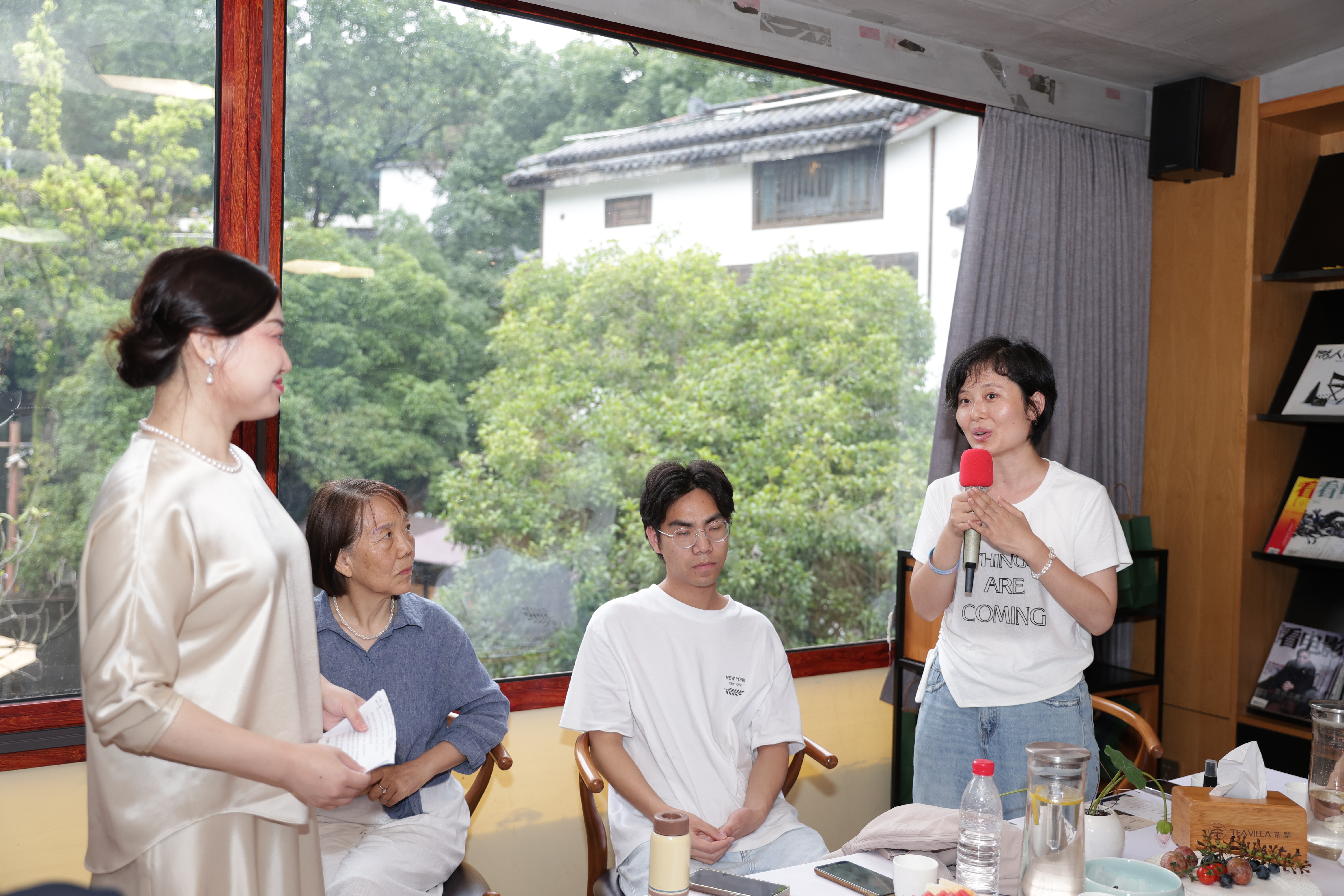
A young attendee then asked Tu what role people-to-people exchange could still play in present-day China–U.S. relations.
Tu noted that exchanges between China and the United States at different levels encountered difficulties following the pandemic. Nevertheless, long-established local relationships, educational ties, and historical connections have continued to play a role as contact resumes. With their fine-grained and enduring character, people-to-people relationships preserve connections of vital importance.
Two Films Connecting What Came Before with What Comes Next
Two important films were screened during the event.
The opening video reviewed the series of activities that Olive Bridge had organized since the weeks around Qingming, or Tomb-Sweeping Day, to mark the 150th anniversary of Stuart’s birth.
Together with participants, we visited Stuart’s former residence, Tianshui Church, and other places associated with his early life. We also went to Anxian Yuan Cemetery in Banshan, Hangzhou, to pay tribute at his resting place. In addition, we held a reading group on Fifty Years in China and organized several small roundtable discussions.
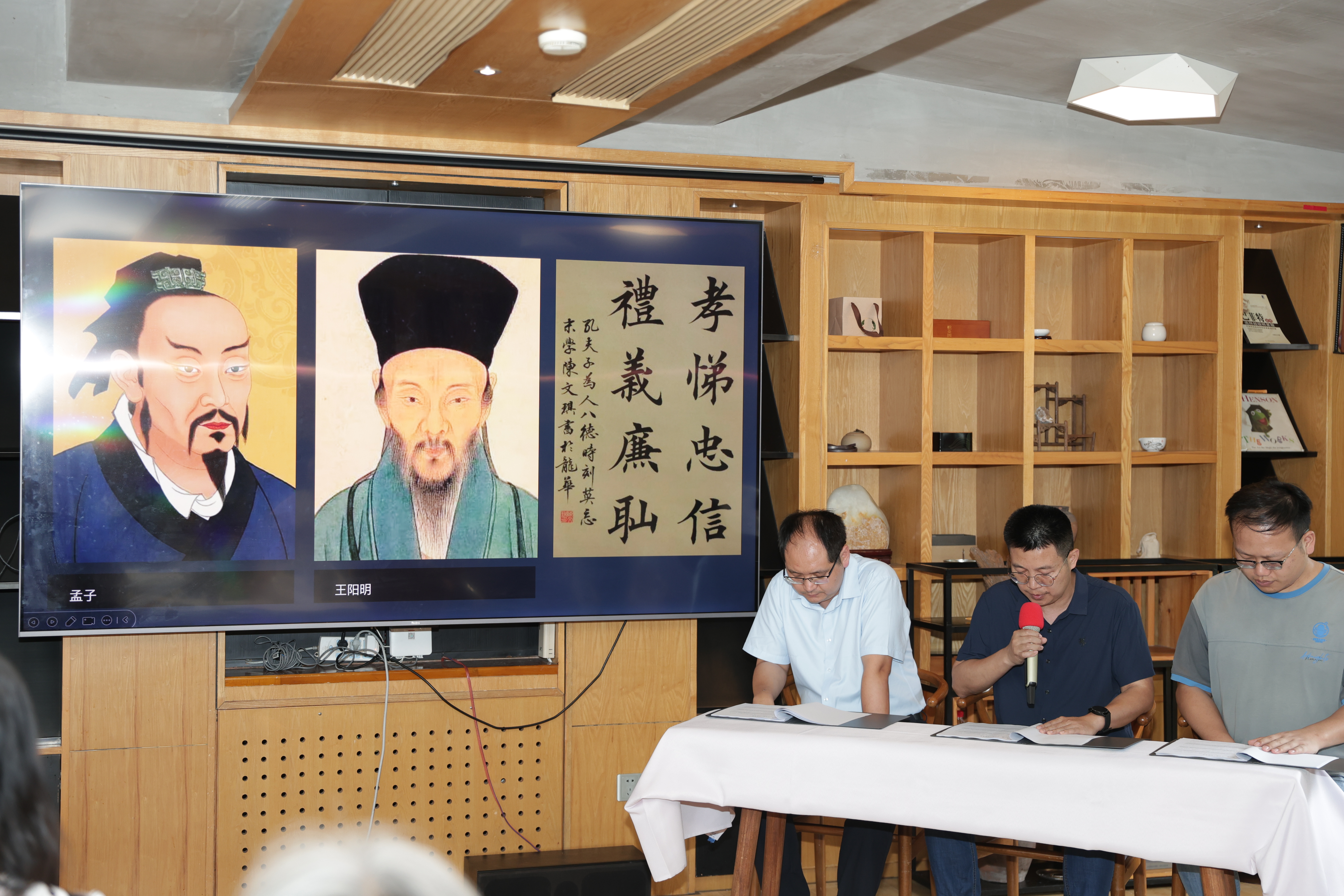
These activities developed along three paths: walking, reading, and dialogue. Walking allowed us to reenter the urban spaces of Hangzhou. Reading brought us into contact with the words of Stuart and his contemporaries. Dialogue returned the questions raised by history to the present.
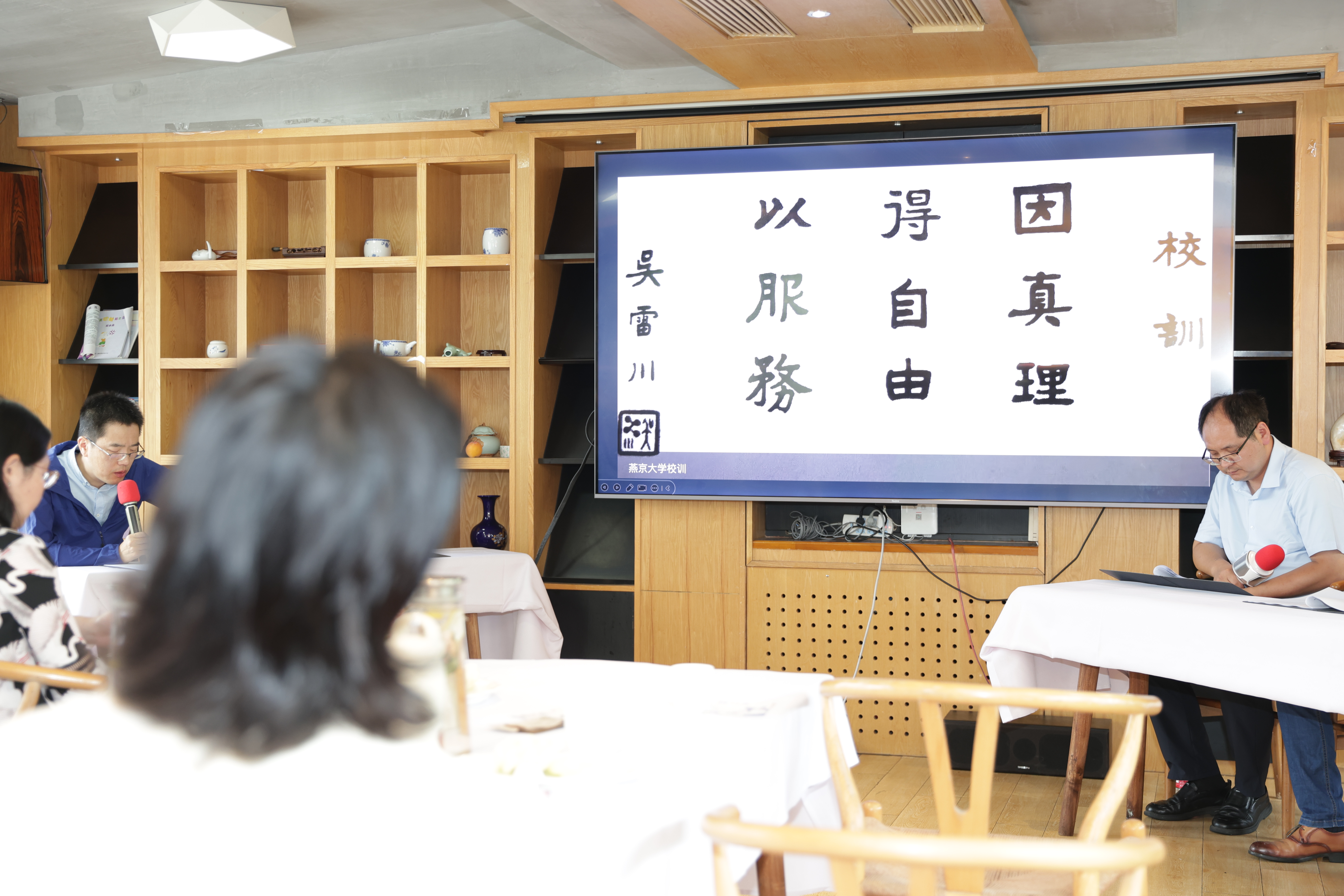
At the end of the gathering, we screened an AI-assisted performance video based on the Yenching University school song. Using the original musical score, we created a new instrumental and vocal rendition with AI technology and combined it with historical photographs and artistically reconstructed scenes.
The aim was to allow a university song written a century ago to be heard once again and to bring its ideals of truth, freedom, service, understanding, and friendship back into the present.
Through Stuart’s own words and the recollections of his contemporaries, we saw how a person could grow between two cultures; how a university could seek to make room for different ideas; how personal friendships could endure historical change; and how goodwill and understanding could encounter limits within a complex reality.
We also saw that bridges do not exist naturally, nor are they created automatically by a well-intentioned wish.
They require the learning of languages, a shared life sustained over time, and the recognition of difference. They also require people willing to preserve space for continued engagement amid misunderstanding and disagreement.
In the end, Stuart did not return to Yenching. He returned instead to Hangzhou. The university he helped build has passed into history, but the work of coming to know one another again, understanding one another anew, and moving toward one another has not ended.